The Difference Between Skill-Based and Chance-Based Gambling
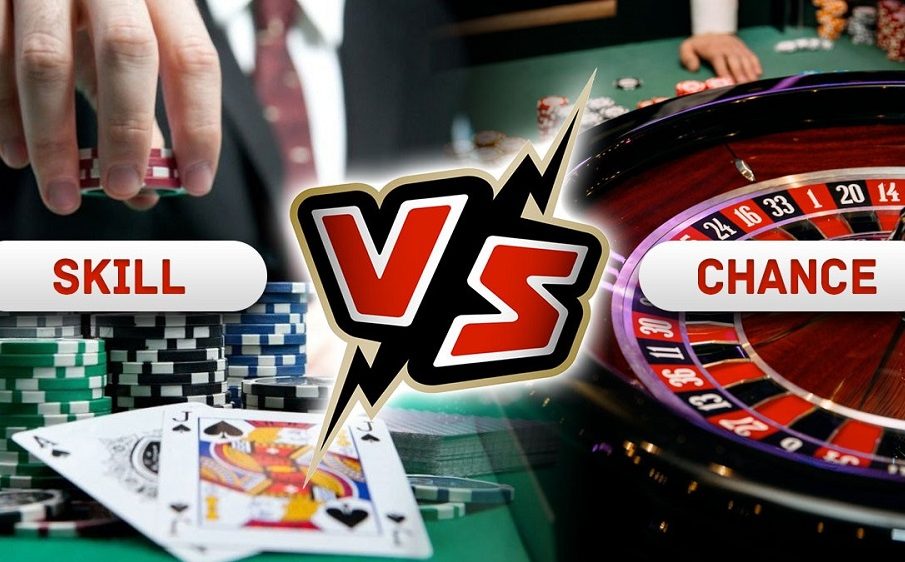
The world of gambling encompasses a vast spectrum of games, ranging from simple coin flips and mechanical slot machines to high-stakes poker tournaments and complex sports wagering markets. While all forms of gambling involve risking capital on an uncertain outcome, the fundamental mechanics driving those outcomes differ dramatically.
At the center of this distinction is the balance between skill and chance. Understanding the difference between skill-based and chance-based gambling is essential for anyone participating in gaming activities. It determines not only how outcomes are generated, but also how players should manage their bankrolls, approach decision-making, and understand their long-term expectations.
Defining Chance-Based Gambling
Chance-based gambling, often referred to as games of pure chance or luck-based gaming, includes any game where the outcome is determined entirely by random events. In these games, player decisions, historical knowledge, or physical dexterity have zero mathematical influence over the final result.
Every event in a pure chance game is independent. The random number generator, mechanical wheel, or shuffled deck of cards operates without memory, meaning past outcomes exert no influence on future results.
Core Examples of Chance-Based Games
-
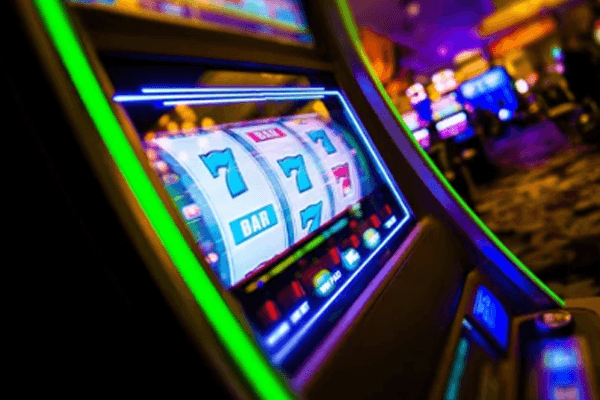
Slot Machines: Whether mechanical or digital, slots rely entirely on Random Number Generators (RNG) to dictate where the reels align. No amount of timing or button-pushing technique changes the underlying odds.
-
Roulette: The drop of the ball into a spinning wheel is a purely stochastic event. Placing a bet on red, black, or an individual number carries a fixed probability that remains identical on every single spin.
-
Craps: While players physically roll the dice, the physics of a fair dice roll produce randomized mathematical probabilities that no strategy can alter over time.
-
Baccarat and Lotteries: Drawing cards from a shoe or selecting numbers on a ticket relies entirely on random distribution and probability.
The Mathematics of Chance: House Edge and Volatility
In chance-based games, the casino or operator holds an unyielding mathematical advantage known as the house edge. This edge is built directly into the payout rules of the game. For instance, a standard American roulette wheel features 38 pockets (1 through 36, plus 0 and 00). A single-number win pays 35 to 1, but the true odds of winning are 1 in 38. This mathematical gap ensures that, over millions of spins, the casino statistically retains a fixed percentage of all wagers.
Players can experience short-term winning streaks due to variance or volatility, but over a long time horizon, the law of large numbers guarantees that chance-based games yield a negative expected value for the player.
Defining Skill-Based Gambling
Skill-based gambling includes games where a player’s knowledge, strategic calculation, memory, psychological insight, or physical execution directly impacts the likelihood of winning. In these games, player choices alter the mathematical odds of the outcome.
While chance still plays a role in the short term—such as which cards are dealt or how a referee calls a play—skill acts as the dominant variable over a larger sample size.
Core Examples of Skill-Based Games
-
Poker: Variants like Texas Hold’em and Omaha involve incomplete information, positional strategy, mathematical odds calculation, and psychological bluffing. Skilled players consistently outplay less experienced opponents over time.
-
Blackjack: While card distribution is random, player choices (hitting, standing, doubling, splitting) directly affect the house edge. Furthermore, advanced techniques like card counting allow players to track deck composition and gain a positive mathematical edge over the casino.
-
Sports Betting and Horse Racing: Analyzing statistical data, player injuries, weather conditions, team match-ups, and market line movements enables sharp bettors to identify mispriced odds and secure long-term profitability.
-
Daily Fantasy Sports and Esports: Assembling line-ups or betting on competitive video gaming requires deep domain expertise, performance forecasting, and strategic roster management.
The Element of Strategy and Long-Term Expected Value
Unlike chance-based games, skill-based games allow dedicated players to achieve a positive expected value (+EV). By mastering probability, risk management, and game theory, a player can turn the mathematical odds in their favor. In peer-to-peer games like poker, players do not compete against the house; instead, they compete against each other, with the operator taking a small fee or rake. This structure enables top-tier players to generate consistent profits over time.
Comparing Skill-Based and Chance-Based Gambling
To clearly highlight the operational differences between these two gambling philosophies, it is useful to analyze their core mechanics side by side.
The Fallacy of Control in Chance Games
One of the most common psychological traps in gambling is mistaking a chance-based game for a skill-based one. This cognitive bias, known as the illusion of control, leads players to believe they can influence or predict purely random events.
-
The Gambler’s Fallacy: Believing that a long streak of red on a roulette wheel makes black “due” on the next spin. Each spin remains an independent event with identical odds.
-
Superstition and Rituals: Pressing a slot machine button with specific timing, choosing “lucky” lottery numbers, or blowing on dice are common behaviors that give a false sense of agency over random mechanics.
-
Pattern Hunting: Tracking previous roulette numbers or baccarat trend boards does not alter future probability. Historical displays exist purely to entertain players and encourage continued wagering.
Recognizing these mental traps is critical for responsible participation in gambling entertainment.
Regulatory and Legal Distinctions
The distinction between skill and chance is not merely theoretical; it carries immense legal and regulatory weight worldwide.
In many legal jurisdictions, gambling is defined explicitly as staking money on a game of chance. Games that are legally classified as games of skill often operate under different regulatory frameworks, tax structures, and licensing requirements than standard casino games.
For example, in the United States, federal legislation such as the Unlawful Internet Gambling Enforcement Act provided specific exemptions for fantasy sports, recognizing them as games predominantly driven by skill rather than random luck. Similarly, legal battles surrounding poker often center on expert statistical testimony proving that skill predominates over chance across significant hand volumes.
The Emerging Hybrid Model: Skill-Influenced Casino Games
In an effort to appeal to younger generations raised on interactive video games, modern casino software developers are creating hybrid skill-based slot machines and arcade-style gambling platforms.
These innovative games feature base mechanics similar to traditional slots or shooting games, but incorporate interactive bonus rounds where player hand-eye coordination, timing, or puzzle-solving skills dictate payout multipliers. While regulatory constraints ensure the baseline return-to-player percentage remains capped, these hybrid models offer an engaging middle ground between pure chance and pure skill.
Whether choosing the relaxed, unpredictable thrill of chance-based games or the disciplined, analytical challenge of skill-based wagering, understanding these underlying dynamics empowers players to make informed decisions and approach gaming responsibly.
Frequently Asked Questions
Can a player consistently make a living from chance-based games?
No. Because chance-based games carry a fixed house edge and rely entirely on random events, it is mathematically impossible to sustain long-term profitability through skill or strategy alone. Winning in chance-based games occurs strictly through short-term variance.
Why is blackjack considered a skill-based game if cards are dealt randomly?
While card distribution is random, the rules of blackjack allow players to make tactical decisions for every hand. Following basic strategy minimizes the house edge, while advanced techniques like card counting allow players to track the ratio of high to low cards left in the shoe, shifting the mathematical advantage to the player.
What does positive expected value mean in gambling?
Positive expected value (+EV) describes a situation or wager where the mathematical probability of winning multiplied by the payout yields an average profit over a large sample size. Skill-based gamblers specifically search for +EV opportunities to secure long-term gains.
How do researchers determine whether a game is based on skill or chance?
Researchers and legal experts use mathematical modeling, computer simulations, and statistical analysis over millions of trials. If player decisions consistently produce significantly different win rates compared to random play, the game is classified as predominantly skill-based.
Does sports betting depend more on skill or chance?
In the short term, individual sports outcomes can be heavily influenced by luck, such as a bad referee call or an unexpected injury. However, over hundreds of wagers, sports betting relies primarily on skill, including quantitative analysis, market evaluation, and proper bankroll management.
Is poker completely devoid of luck?
No. In any single hand of poker, luck plays a substantial role regarding which cards are dealt. However, over thousands of hands, the element of luck averages out, and the superior decision-making, mathematical calculation, and psychological execution of skilled players consistently prevail.
What is the law of large numbers in gambling?
The law of large numbers is a statistical principle stating that as the number of trials increases, the actual results will converge closer to the expected mathematical average. In chance-based casino games, this law guarantees that the house eventually realizes its built-in percentage edge.