The Future of Online Casino Entertainment

The online casino industry has experienced exponential growth since its inception, continually adapting to rapid technological advancements and evolving consumer expectations. What began as simple digital translations of classic card games and mechanical slot machines has transformed into a massive multi-billion-dollar global entertainment sector. Today, the convergence of high-speed internet, powerful mobile devices, and advanced software development has set the stage for an even more dramatic shift.
Looking toward the horizon, the future of online casino entertainment is not merely about digitizing traditional table games or adding sharper graphics. It is about creating hyper-personalized, fully immersive, and socially connected environments that blur the lines between gambling, video gaming, and social media. From artificial intelligence and virtual reality to decentralized blockchain rails and skill-based hybrid games, the technological architecture underpinning modern iGaming is undergoing a complete overhaul.
Artificial Intelligence and Ultra-Personalized Gaming Experiences
Artificial intelligence is rapidly shifting from a back-office analytics tool to the core engine driving user engagement in digital casinos. In legacy online platforms, every player saw a nearly identical homepage featuring the same featured slot titles and generic promotional banners. Modern AI algorithms have completely dismantled this static approach in favor of real-time personalization.
Tailored Game Dashboards and Predictive Recommendations
Contemporary AI engines continuously analyze player behavior, evaluating metrics such as game preference, session duration, wagering style, and volatility tolerance. By interpreting these data points instantly, the platform dynamically tailors the user interface. A player who favors high-volatility card games will be greeted by customized lobbies showcasing strategic table variants, while a casual player interested in thematic slots will see tailored themes and bonus structures.
Dynamic Odds and Adaptive Gameplay
Beyond simple recommendations, machine learning models are beginning to influence real-time gameplay mechanics. In certain non-traditional gaming categories, AI can adjust visual themes, soundscapes, or difficulty curves to match a player’s engagement level. In live sports betting and micro-wagering, AI algorithms evaluate live match events instantly to generate customized prop bets tailored specifically to an individual viewer’s historical betting patterns.
Proactive Responsible Gaming Monitoring
Personalization is equally vital for player safety. AI models continuously monitor account activity for early signs of problematic behavior, such as chasing losses, sudden spikes in deposit frequency, or unusual session lengths. Rather than relying on manual intervention, AI systems automatically trigger automated cooling-off reminders, suggest voluntary deposit limits, or restrict account access to protect vulnerable players.
The Rise of Virtual and Augmented Reality Casinos
While flat two-dimensional screens dominate current online gambling, virtual reality and augmented reality technologies are introducing unprecedented spatial depth to digital gaming. VR hardware has become lightweight, powerful, and affordable enough to turn virtual casino floors into viable mainstream destinations.
Immersive 3D Virtual Casino Floors
Virtual reality casinos allow players to step inside fully realized three-dimensional spaces that replicate the grandeur of world-class resorts. Wearing a VR headset, a player can walk through lavish digital lobbies, sit down at a craps table, handle chips, and physically pull the arm of a retro slot machine. Advanced spatial audio technology reproduces ambient casino noise, dealer voices, and surrounding conversations, delivering a level of presence that traditional web interfaces cannot replicate.
Social Interactions via Customizable Avatars
One historical drawback of online gambling was the lack of human connection compared to land-based establishments. VR environments resolve this issue by incorporating customizable 3D avatars. Players can gather around a virtual poker table, make hand gestures, read subtle physical tells, and engage in spatial voice chat with opponents from around the world. This social layer turns solitary screen time into an active, community-driven event.
Augmented Reality Overlays for Hybrid Environments
Augmented reality offers a complementary path by overlaying digital casino elements directly onto the user’s real-world environment. Using AR glasses or mobile camera viewfinders, players can project a fully interactive roulette wheel onto their kitchen table or render live blackjack dealing cards across their desk. AR seamlessly bridges physical reality with digital entertainment, preserving real-world surroundings while expanding gaming options.
Next-Generation Live Dealer and Interactive Streaming
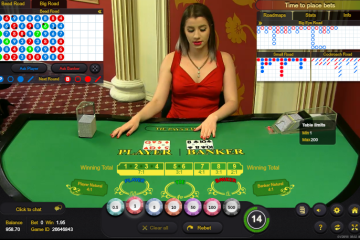
Live dealer games have served as a crucial stepping stone between physical venues and digital software. By broadcasting human dealers from specialized production studios in real time, operators earned player trust and engagement. The future of live dealer streaming expands far beyond basic table games.
High-Definition Broadcasting and Multi-Angle Cinematic Cameras
Modern live studios utilize ultra-high-definition 4K camera arrays, dynamic lighting setups, and automated camera switching to create television-quality broadcasts. Slow-motion replays, close-up camera angles on winning roulette drops, and green-screen digital studio backdrops elevate visual presentation.
Game Show Formats and Mass-Multiplayer Entertainment
The live dealer sector has expanded into hybrid game shows that combine elements of classic wheel spins, board games, and interactive video game bonus rounds. Games hosted by charismatic presenters allow thousands of participants to bet simultaneously on shared outcomes. Interactive bonus features transport players into animated virtual worlds where they make individual choices to determine their multipliers.
Blockchain, Smart Contracts, and Decentralized Gaming
Blockchain technology and cryptocurrency payment rails are reshaping the financial architecture of online casinos. Beyond offering alternative deposit options, decentralized protocols address fundamental issues of trust, transparency, and transaction efficiency.
-
Provably Fair Algorithms: Blockchain-based gaming platforms utilize open-source cryptographic algorithms that allow players to mathematically verify the randomness and integrity of every spin or card draw, proving the operator did not tamper with the result.
-
Frictionless Payouts: Traditional bank transfers and credit card withdrawals often involve multi-day processing windows and high fees. Smart contract transactions settle automatically within minutes on scalable blockchain networks, ensuring instant player access to winnings.
-
Self-Custody Gaming: Emerging decentralized applications allow users to keep funds in their private cryptocurrency wallets while placing bets through smart contracts, eliminating the need to deposit capital directly into centralized casino balances.
Skill-Based Hybrid Gaming and Gamification
Younger generations of adult consumers grew up playing strategy-rich console and mobile video games. For these demographics, traditional luck-based slots with simple button pushes can feel unengaging. As a result, operators are introducing skill-based mechanics and gamified progression systems.
Bridging Video Games and Gambling
Skill-based casino games incorporate elements from arcade shooters, racing games, and puzzle titles. While the overarching return-to-player percentage remains bound by regulatory standards, player dexterity, quick reflexes, and tactical choices directly influence win frequency or bonus payout tiers. This hybrid model offers players a sense of agency and mastery.
Progression Systems, Quests, and Leaderboards
Gamification overlays traditional casino games with mechanics drawn from role-playing video games. Players earn experience points, complete daily quests, unlock achievement badges, and climb public leaderboards. Reaching new levels unlocks cosmetic customization options, exclusive tournament access, or improved promotional rewards, fostering long-term player retention.
Comparative Overview: Traditional vs Next-Generation Platforms
The table below highlights the key differences between legacy online casino offerings and the emerging next-generation platforms.
Regulatory Evolution and Player Protection
As technological capabilities expand, international regulatory frameworks are evolving to protect consumers and maintain fair market conditions. Regulators are implementing stricter rules around data privacy, algorithmic auditing, and advertising standards.
Automated compliance tools now assist operators in conducting mandatory identity verification and anti-money laundering checks seamlessly in the background. Furthermore, regulatory bodies are mandating robust responsible gaming tools, ensuring that advanced immersion and gamification techniques are balanced by transparent player safeguards.
The future of online casino entertainment represents a remarkable synthesis of technology, social connection, and interactive media. By embracing artificial intelligence, virtual reality, blockchain architecture, and skill-infused gameplay, the industry is transforming into a sophisticated digital ecosystem. As these innovations continue to mature, players can look forward to safer, more engaging, and deeply immersive entertainment experiences.
Frequently Asked Questions
Will virtual reality replace traditional physical casinos entirely?
Virtual reality is designed to complement rather than destroy physical casinos. While VR platforms offer incredible convenience and spatial immersion from home, physical resorts continue to attract visitors due to fine dining, live hospitality, travel experiences, and real-world tourism. VR acts as a powerful bridge for remote players seeking a social, multi-dimensional casino environment.
How does artificial intelligence protect online casino players from gambling addiction?
AI systems analyze real-time player data to identify behavioral anomalies, such as rapid increases in bet sizing, session length extensions, late-night play patterns, or chasing recent losses. When these flags occur, the system can automatically send gentle check-in notifications, suggest temporary timeouts, adjust promotional incentives, or direct the user to professional support resources.
What are skill-based casino games, and how do they differ from traditional slots?
Traditional slot games rely 100 percent on random number generators, meaning player decisions have no bearing on the outcome. Skill-based casino games incorporate interactive elements like aim precision, puzzle solving, or timing choices where player skill influences the game’s payout distribution, while remaining within approved regulatory return-to-player parameters.
Are cryptocurrency casino transactions legally recognized and safe?
Safety and legal status depend heavily on the operating jurisdiction and license of the casino platform. Legitimate blockchain casinos operate under recognized international gaming licenses and utilize secure smart contracts. Transactions on reputable blockchains are cryptographic, transparent, and immutable, offering high levels of payment security.
How do provably fair games work on modern online gambling platforms?
Provably fair gaming relies on cryptographic hashing functions. Before a game round begins, the server generates an encrypted seed of the outcome and shares the hash with the player. After the turn finishes, the unencrypted seed is revealed, allowing the player to verify through a mathematical tool that the outcome was predetermined and unmanipulated by the platform.
Can skill-based or VR casino games be played on mobile devices?
Yes, modern game developers design platforms using mobile-first architecture. While full VR experiences require a headset, many augmented reality, skill-based, and live dealer games are fully optimized for smartphones and tablets through responsive touch interfaces, high-definition streaming, and cloud gaming protocols.
What role will cloud gaming play in the future of online casinos?
Cloud gaming technology streams high-end, graphically demanding games directly from remote servers to a user’s device. This eliminates the need for players to own expensive hardware or download massive software files, enabling complex 3D and VR casino games to run smoothly on standard mobile phones and web browsers.