
How Short-Handed Poker Changes Strategic Thinking
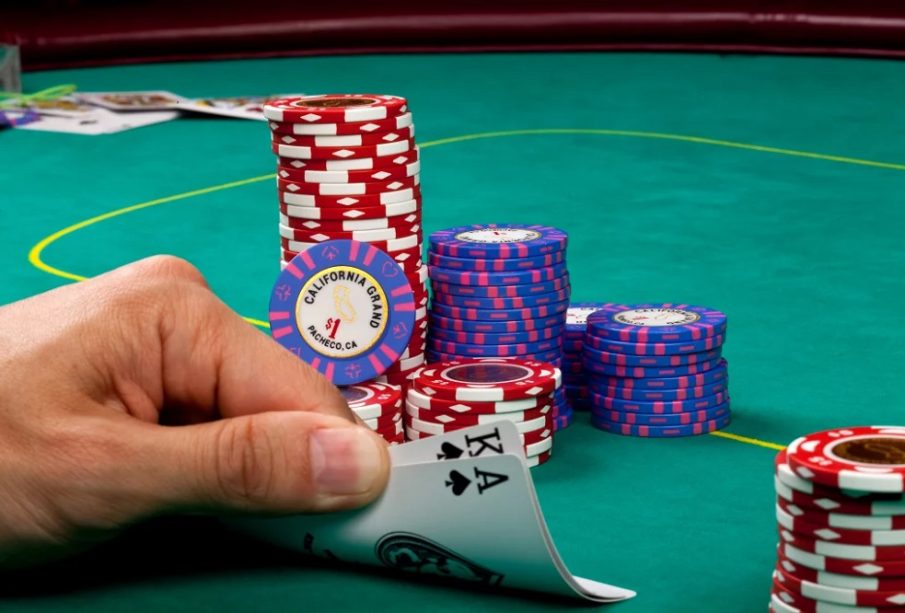
In the world of competitive poker, transitioning from a full-ring table to a short-handed environment represents one of the most significant strategic shifts a player can make. While a standard full-ring game typically accommodates nine or ten players, short-handed poker generally refers to games played with six or fewer participants, often designated as six-max. In its most extreme form, short-handed play culminates in heads-up matches between just two opponents.
When fewer players sit at the table, the fundamental dynamics of Texas Hold’em and other poker variants undergo a complete mathematical and psychological transformation. Hand values shift upward, positional advantages become far more critical, and passive play quickly becomes an unviable strategy. Mastering short-handed poker requires unlearning full-ring conservatism and adapting to a fast-paced, highly aggressive environment.
The Structural Drivers of Short-Handed Dynamics
To understand why strategy changes so dramatically in short-handed poker, one must first look at the forced economic incentives built into the structure of the game. Blinds and antes represent the constant cost of living at a poker table. Every orbit, every player must contribute blind bets to build the starting pot.
In a full-ring nine-handed game, a player pays the small and big blinds once every nine hands. In a six-max game, those same blinds occur once every six hands, increasing blind frequency by 50 percent per orbit. In a heads-up game, every single hand involves paying a blind. This rapid circulation of forced bets drastically increases the urgency of play, penalizing tight, passive players who fold continuously while waiting for premium starting hands.
Key Strategic Adjustments for Short-Handed Games
Adapting to short-handed poker requires fundamental adjustments across starting hand selection, post-flop aggression, positional leverage, and psychological observation.
Dramatically Widening Starting Hand Ranges
In a full-ring game, folding up to 80 percent of dealt hands is often a sound baseline strategy. Tight hand selection prevents players from getting trapped in marginal situations out of position against six or seven remaining opponents.
In short-handed poker, sitting back and waiting strictly for premium pairs or high aces is a guaranteed way to bleed chips over time. Because fewer players remain to receive high cards, average hand strength across the table drops. Hands that are considered speculative or weak in full-ring play—such as suited connectors, medium aces, and weak offsuit king-jack combinations—become profitable opening hands from early and middle positions in short-handed games.
Maximizing Positional Advantage
Position is the single most valuable asset in poker, and its importance is magnified in short-handed play. Acting last on every post-flop betting round provides a continuous information advantage, allowing players to control pot sizes, execute bluffs, and extract value from weaker holdings.
-
Late Position Steals: In short-handed formats, the button and cut-off positions see action far more quickly. Stealing the blinds with light opening raises becomes a primary source of win-rate generation.
-
Defending the Big Blind: Because late-position raises occur with high frequency, defending the big blind through calling or re-raising becomes essential. Allowing aggressive opponents to steal blinds without resistance forfeits substantial equity over long sessions.
-
In-Position Floating: Being last to act allows skilled players to call flop bets with marginal draws or weak pairs, intending to take the pot away on later streets if the pre-flop aggressor checks to show weakness.
Embracing Controlled Aggression
Passivity is fatal in short-handed poker. Checking and calling without initiative exposes players to relentless pressure from aggressive opponents. To thrive in six-max or heads-up environments, players must embrace controlled aggression as their primary tactical setting.
Pre-flop raises, three-bets, and continuation betting on the flop are core tools for driving action. Aggression allows a player to win pots in two distinct ways: by holding the best hand at showdown or by forcing the opponent to fold prior to showdown. Because short-handed boards frequently miss both players’ starting cards, the player who holds initiative and displays strength wins a disproportionate number of uncontested pots.
Navigating Increased Variance and Emotional Control
Because players enter far more pots with wider hand distributions, short-handed poker naturally carries higher statistical variance than full-ring play. Marginal hand matchups occur with much higher frequency, leading to larger swings in chip stacks over short timeframes.
Navigating this volatility requires exceptional psychological discipline. Players accustomed to full-ring games often misinterpret standard short-handed aggression as personal targeted play, leading to tilt, irrational calling, or unnecessary bluff-raising. Successful short-handed players accept swing fluctuations as a structural reality of the format and maintain objective, mathematically sound decision-making regardless of short-term results.
Full-Ring versus Short-Handed Poker: A Strategic Comparison
Evaluating the operational differences between these two poker environments illustrates how strategic priorities shift as table capacity drops.
Advanced Concepts in Short-Handed Strategy
As players move beyond basic range expansion, mastering short-handed poker involves executing advanced game theory principles and dynamic adjustments.
Exploitative vs. Game Theory Optimal Play
In short-handed environments, opponents have far more opportunities to observe one another’s tendencies over a short period. This creates a constant tactical battle between Game Theory Optimal baseline strategies and exploitative play.
Against tough, balanced opponents, maintaining balanced pre-flop ranges and proper bet sizing prevents exploitation. However, against weak or predictable opponents, shifting toward targeted exploitative strategies—such as over-folding against passive raises or over-bluffing against timid checkers—yields maximum expected value.
Dynamic Range Merging and Balancing
In full-ring play, betting lines are generally polarized: a player bets either a very strong value hand or an outright bluff. In short-handed play, medium-strength hands frequently benefit from betting for protection or thin value.
Merging ranges by occasionally betting medium-strength hands confuses opponents, forcing them into difficult decisions with marginal holdings. This level of range deception makes a player difficult to read and limits an opponent’s ability to execute profitable counter-strategies.
Short-handed poker transforms a patient waiting game into an intense, highly interactive contest of skill, adaptability, and nerve. By expanding starting ranges, leveraging positional dominance, applying controlled aggression, and managing emotional tilt, players can successfully master the strategic nuances of short-handed play.
Frequently Asked Questions
Why do weak pairs hold more value in short-handed poker than in full-ring games?
In full-ring games, with nine or ten players dealt cards, the probability that at least one opponent holds a strong top pair or better is high. In short-handed games, with far fewer cards distributed, the average strength of dealt hands decreases significantly, making middle or bottom pairs strong enough to win at showdown.
How does bankroll management differ between full-ring and short-handed poker?
Short-handed poker involves higher statistical variance due to wider hand ranges and more frequent post-flop confrontations. As a result, short-handed players generally require a larger bankroll cushion—often 40 to 50 buy-ins for cash games—compared to full-ring players to safely absorb downswings.
What is light three-betting, and why is it essential in six-max games?
Light three-betting involves re-raising pre-flop with strong but non-premium holdings, such as suited connectors or medium suited aces. In short-handed games, it isolates aggressive late-position openers, applies immediate pressure, and allows the re-raiser to take down pots before the flop.
How should a player adjust when transitioning from six-max to heads-up poker?
Transitioning to heads-up requires expanding starting ranges to near 100 percent from the button and defending the big blind far more aggressively. Because there are no intermediate opponents, positional advantage and constant pressure dictate the entire tempo of the match.
Is card counting or tracking hand histories useful in short-handed online poker?
Tracking opponent statistics through software HUDs is widely used in online short-handed poker. Metrics like pre-flop raise percentage, fold to continuation bet, and three-bet frequency help players quickly identify operational weaknesses in an opponent’s range over small hand samples.
Why is passive calling dangerous in short-handed poker?
Calling without initiative allows aggressive opponents to dictate bet sizing, realization of equity, and positional control across multiple streets. In short-handed play, passive callers consistently fold away equity on later streets or pay off value bets when holding second-best hands.
How does stack depth influence short-handed strategic thinking?
Deeper stack sizes increase the value of post-flop maneuverability, implied odds, and multi-street bluffing. When stacks are shallow, pre-flop fold equity, high-card value, and direct equity realization dominate strategic decisions.